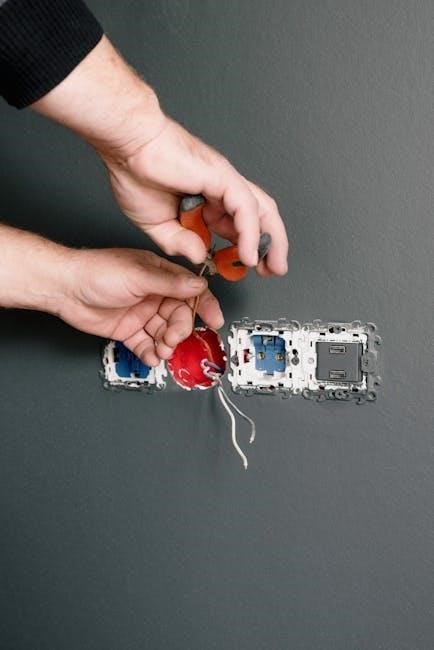

Electricians Guide to the Building Regulations provides crucial updates on certification, encompassing vital areas like Fire Safety, Ventilation, and Energy Conservation practices.
This resource is designed for qualified electricians seeking to enhance their knowledge and achieve Part P compliance for domestic installations.
The Importance of Compliance
Compliance with Building Regulations is paramount for electricians, ensuring the safety and well-being of building occupants. Failure to adhere to these regulations can lead to severe legal repercussions, including fines and potential imprisonment, alongside compromising public safety.
The Electricians Guide to the Building Regulations emphasizes the necessity of understanding and implementing these standards, particularly concerning electrical installations in dwellings. Part P, specifically, demands notification of certain electrical work to local authorities, or registration with a competent person scheme.
Qualified and experienced electricians benefit from upgrading their knowledge, as highlighted by the 2383-10 course, enabling them to work as Part P compliant installers. This isn’t merely about avoiding penalties; it’s about professional integrity and delivering installations that meet rigorous safety benchmarks. Outsourcing to unqualified individuals, as cautioned on Quora, presents unacceptable risks.
Ultimately, compliance builds trust with clients and demonstrates a commitment to quality workmanship, safeguarding both the electrician’s reputation and the safety of the property and its inhabitants.
Scope of Building Regulations Covered
The Electricians Guide to the Building Regulations provides comprehensive coverage of several key areas impacting electrical installations. These encompass not only Electrical Safety (Part P) and notification requirements, but also crucial aspects like Fire Safety, ensuring installations minimize fire hazards and support effective fire protection systems.
Furthermore, the guide delves into Ventilation considerations, particularly relevant in bathrooms and kitchens, where electrical equipment must operate safely in potentially humid environments. Conservation of Fuel and Power is also addressed, promoting energy-efficient lighting design and the integration of smart home technologies.
The scope extends to Accessibility, outlining requirements for switch and socket heights to accommodate users with disabilities. The 2383-10 course syllabus confirms coverage of building structure, contaminants, sound passage, and condensation – all influencing electrical installation design. Understanding this broad scope is vital for compliant and responsible electrical work.

Part P: Electrical Safety – Detailed Regulations
Electricians Guide to the Building Regulations thoroughly explains Part P, focusing on electrical safety and essential notification requirements for all domestic installation work.
Notification Requirements for Electrical Work
The Electricians Guide to the Building Regulations meticulously details the notification procedures required before commencing electrical work in dwellings. Part P compliance necessitates informing the local Building Control body about specific installations, ensuring safety and adherence to standards.
This includes work within special locations like bathrooms and kitchens, as well as additions or alterations to existing circuits. The guide clarifies which installations require notification, and outlines the process for submitting the necessary documentation.
Understanding these requirements is paramount for electricians aiming to operate legally and safely within the domestic sector. Failure to notify can result in penalties and compromise the integrity of the electrical installation. The guide emphasizes the importance of accurate record-keeping and diligent adherence to the notification protocols.
Competent Person Schemes and Registration
The Electricians Guide to the Building Regulations thoroughly explains the benefits of joining a Competent Person Scheme, allowing registered electricians to self-certify their work as compliant with Part P. This eliminates the need for Building Control notification for a significant portion of installations, streamlining the process.
The guide details various approved schemes, outlining their specific requirements and the scope of work they cover. Registration demonstrates a commitment to quality and safety, enhancing professional credibility. It’s crucial for electricians wanting to work as Part P compliant installers within the domestic industry.
The course referenced, 2383-10, specifically aims to upgrade electricians’ knowledge to enable registration with a governing body. This qualification is restricted to 18 experienced learners, emphasizing the need for prior expertise.
Third-Party Certification Schemes
The Electricians Guide to the Building Regulations provides the latest guidance on third-party certification schemes, offering an alternative route to demonstrating compliance with Part P. These schemes involve independent assessment of an electrician’s work by a registered body, ensuring adherence to building regulations.
This approach is particularly useful for larger or more complex installations where self-certification may not be appropriate. The guide details the benefits of utilizing these schemes, including increased assurance for clients and reduced risk of non-compliance.
Understanding the nuances of each scheme is vital, as requirements and coverage can vary. The resource helps electricians navigate these options, ensuring they select the most suitable scheme for their projects and maintain a high standard of electrical safety.
Fire Safety Regulations and Electrical Installations
Electricians Guide to the Building Regulations thoroughly covers Fire Safety aspects, detailing crucial requirements for electrical installations to minimize fire risks within buildings.
Fire-Resistant Wiring Systems
The Electricians Guide to the Building Regulations emphasizes the critical role of fire-resistant wiring systems in safeguarding lives and property. Selecting appropriate cabling is paramount, considering factors like circuit function and building occupancy.
Regulations dictate specific cable types for critical circuits, such as those serving fire alarm systems or emergency lighting, demanding materials that maintain circuit integrity during a fire. Mineral Insulated Copper Clad (MICC) cable is frequently highlighted as a robust solution, offering exceptional fire resistance and maintaining functionality even under extreme heat.
Furthermore, the guide details proper installation techniques to preserve the fire-resistant properties of these systems. This includes correct fixing methods, avoiding damage to cable sheathing, and ensuring appropriate containment. Compliance with these standards is not merely a legal obligation but a fundamental aspect of responsible electrical installation practice.
Emergency Lighting Requirements
The Electricians Guide to the Building Regulations thoroughly addresses emergency lighting, a vital safety feature in buildings. Regulations mandate emergency lighting in specific areas, including escape routes, stairwells, and areas with high occupancy, ensuring safe evacuation during power failures.
The guide details the required illumination levels and duration of emergency lighting, typically a minimum of three hours. It also clarifies the different categories of emergency lighting – maintained and non-maintained – and their appropriate applications. Regular testing and maintenance are crucial, with documented records required to demonstrate ongoing compliance.
Furthermore, the guide emphasizes the importance of integrating emergency lighting systems with the building’s overall fire safety strategy. Proper design and installation, adhering to BS EN 12864, are essential for a reliable and effective emergency lighting system.
RCD Protection and Fire Hazards
The Electricians Guide to the Building Regulations highlights the critical role of Residual Current Devices (RCDs) in mitigating fire hazards within electrical installations. RCDs swiftly disconnect power in the event of a fault current, significantly reducing the risk of electric shock and preventing potential ignition sources.
Regulations dictate specific circuits requiring RCD protection, including socket outlets, lighting circuits in certain locations, and circuits serving outdoor equipment. The guide details the appropriate RCD types and ratings for various applications, ensuring optimal protection.
Crucially, the guide addresses potential fire hazards arising from incorrect RCD installation or maintenance. Factors like nuisance tripping and compatibility with specific loads are discussed. Proper selection, installation, and regular testing of RCDs, adhering to BS 7671, are paramount for fire safety and regulatory compliance.

Ventilation and Electrical Equipment
Electricians Guide to the Building Regulations covers ventilation’s impact on electrical safety, particularly in bathrooms and kitchens, alongside equipment lifespan considerations.
Electrical Installations in Bathrooms
Electrical installations within bathrooms demand stringent adherence to Building Regulations due to the increased risk associated with water and conductivity. The Electricians Guide to the Building Regulations emphasizes the importance of zoning regulations, dictating where electrical equipment can be safely installed.
Zones are defined based on proximity to water sources – bath, shower, or washbasin – with stricter rules applying to zones closer to water. Regulations specify requirements for RCD (Residual Current Device) protection, ensuring rapid disconnection in the event of a fault, minimizing the risk of electric shock.
The guide details appropriate IP (Ingress Protection) ratings for electrical equipment, indicating its resistance to water and solid particle intrusion. Proper ventilation is also crucial, as moisture can compromise electrical safety and accelerate equipment degradation. All work must be carried out by a competent person, adhering to BS 7671 wiring regulations.
Kitchen Ventilation and Electrical Safety
Kitchens present unique challenges for electrical safety due to the combination of moisture, potential for flammable materials, and frequent use of electrical appliances. The Electricians Guide to the Building Regulations highlights the critical link between effective kitchen ventilation and safe electrical installations.
Adequate ventilation removes moisture and cooking fumes, reducing the risk of condensation which can compromise electrical equipment. Regulations dictate the need for RCD protection on circuits serving kitchen appliances, providing crucial protection against electric shock.
Specific attention must be paid to the placement of sockets and switches, ensuring they are positioned away from water sources and heat-generating appliances. The guide details appropriate IP ratings for electrical accessories in kitchen environments. Compliance with BS 7671 is paramount, alongside adherence to building regulation Part P notification requirements for certain works.
Impact of Ventilation on Equipment Lifespan
The Electricians Guide to the Building Regulations emphasizes that proper ventilation significantly extends the lifespan of electrical equipment. Moisture and excessive heat are primary contributors to premature failure in electrical installations, and effective ventilation mitigates these risks.
Condensation, a direct result of poor ventilation, leads to corrosion of electrical contacts and components, increasing resistance and potentially causing overheating. This can drastically reduce the operational life of appliances, wiring, and consumer units.
By maintaining a dry and adequately cooled environment, ventilation minimizes stress on electrical systems. The guide details how building regulations address ventilation requirements in areas like kitchens and bathrooms, directly impacting equipment longevity. Regular inspection and maintenance, coupled with compliant ventilation, are key to ensuring long-term reliability and safety.

Conservation of Fuel and Power (Energy Efficiency)
Electricians Guide to the Building Regulations covers energy-efficient lighting design, smart home technologies, and minimizing electrical losses for optimal power conservation.
Energy-Efficient Lighting Design
Effective lighting design is paramount in modern electrical installations, and the Electricians Guide to the Building Regulations provides essential guidance on achieving optimal energy efficiency. This involves a comprehensive understanding of various lighting technologies, moving beyond traditional incandescent bulbs to embrace LED and other low-energy alternatives.
The guide details how to calculate appropriate lighting levels for different spaces, ensuring adequate illumination while minimizing energy consumption. Considerations include daylight integration, utilizing natural light sources to reduce reliance on artificial lighting. Furthermore, control systems like dimmers and occupancy sensors are highlighted as key components of an energy-efficient lighting scheme.
Compliance with building regulations necessitates careful selection of lighting fixtures and control gear, ensuring they meet specified energy performance standards. The guide assists electricians in navigating these requirements, promoting sustainable practices and reducing the carbon footprint of electrical installations.
Smart Home Technologies and Regulations
The integration of smart home technologies is rapidly transforming electrical installations, and the Electricians Guide to the Building Regulations addresses the regulatory landscape surrounding these advancements. This includes systems for lighting control, heating, security, and appliance management, all interconnected and often remotely operated.
The guide emphasizes the importance of secure data transmission and cybersecurity within smart home networks, protecting users from potential vulnerabilities. Compliance with data protection regulations is crucial, ensuring responsible handling of personal information collected by these systems. Furthermore, interoperability between different smart devices and platforms is a key consideration.
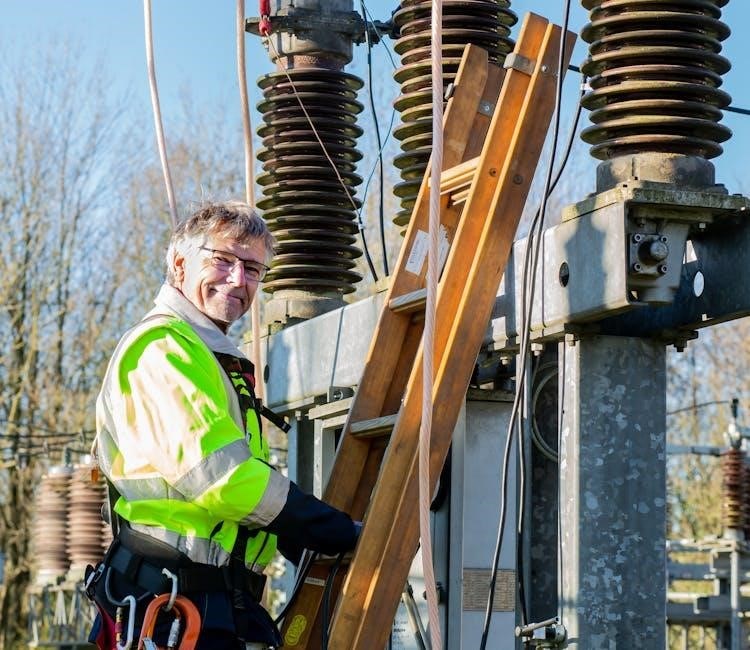
Electricians must understand the specific requirements for installing and commissioning smart home technologies, ensuring they adhere to relevant safety standards and building regulations. This includes proper grounding, surge protection, and adherence to electromagnetic compatibility (EMC) guidelines.
Minimizing Electrical Losses
The Electricians Guide to the Building Regulations highlights the critical importance of minimizing electrical losses to enhance energy efficiency and reduce operational costs. This involves careful consideration of cable sizing, ensuring appropriate conductor cross-sectional areas to reduce resistance and voltage drop.
Proper installation techniques, such as avoiding sharp bends in cabling and ensuring secure connections, are essential to minimize contact resistance. The guide emphasizes the use of energy-efficient transformers and distribution boards, reducing losses within the electrical supply chain.
Regular maintenance and inspection of electrical systems are also crucial for identifying and rectifying potential sources of energy loss. This includes checking for loose connections, damaged insulation, and overloaded circuits. Implementing power factor correction measures can further optimize energy usage and reduce overall losses, contributing to a more sustainable electrical installation.

Accessibility and Electrical Installations

The Electricians Guide to the Building Regulations covers accessibility, focusing on appropriate switch and socket heights for users with disabilities, ensuring inclusive design.
Compliance with Part M is key.
Accessible Switch and Socket Heights
The Electricians Guide to the Building Regulations emphasizes the importance of installing switches and sockets at heights that are easily reachable for all users, including those with limited mobility or disabilities. This falls under Part M of the Building Regulations, focusing on accessibility and ease of use within dwellings.
Generally, switches should be positioned between 450mm and 1200mm from the floor, allowing for a comfortable reach for a wide range of individuals. Socket outlets are typically recommended to be installed between 450mm and 500mm above floor level. However, these are guidelines, and specific needs may require adjustments.
Consideration should be given to the surrounding space, ensuring sufficient clear space for maneuvering wheelchairs or other mobility aids. The guide stresses that thoughtful placement contributes significantly to creating inclusive and user-friendly electrical installations, promoting independence and safety for everyone.
Considerations for Users with Disabilities
The Electricians Guide to the Building Regulations highlights that electrical installations must cater to the diverse needs of all occupants, particularly those with disabilities. Part M of the regulations is central to this, demanding inclusive design principles throughout the installation process.
Beyond accessible heights for switches and sockets, the guide stresses the importance of clear pathways and avoiding obstructions around electrical equipment. Consideration should be given to individuals with visual impairments, utilizing tactile indicators or contrasting colors where appropriate.
Furthermore, the guide advocates for easy-to-operate mechanisms for switches and sockets, minimizing the force required for activation. Thoughtful planning and adherence to these guidelines ensure electrical systems are safe, convenient, and promote independence for all users, fostering an inclusive living environment.