
Giuseppe Armani Florence Figurines: A Price Guide (2026)
This guide, updated for 2026, details the fluctuating values of exquisite Armani Florence figurines, considering rarity, condition, and current market demand for collectors.
Giuseppe Armani Florence figurines represent a pinnacle of Italian artistry, captivating collectors worldwide with their delicate beauty and intricate detail. Produced primarily from the 1970s through the 1990s, these sculptures, often associated with the Capodimonte studio, are highly sought after in the art market. This guide serves as a comprehensive resource for understanding the value of these pieces in 2026.
The appeal lies in Armani’s ability to imbue porcelain with emotion and life, depicting classical themes, graceful women, and charming animal subjects. Understanding the nuances of production – limited editions, hand-painting techniques, and identifying authentic marks – is crucial for both buyers and sellers. This price guide aims to demystify the market and provide realistic valuations.
The History of Armani Florence
Giuseppe Armani’s artistic journey began with a passion for sculpting, leading him to establish his studio in Florence, Italy. While not directly affiliated with the famed Armani fashion house, his work gained prominence through collaborations with other manufacturers, notably Capodimonte. The Florence studio became synonymous with high-quality porcelain figurines, quickly attracting international attention.
Armani’s pieces evolved from traditional Capodimonte styles, incorporating a unique blend of realism and romanticism. He focused on capturing movement and emotion, setting his work apart. The late 20th century saw a surge in popularity, with limited edition releases driving collector interest. Understanding this historical context is vital when assessing the value of Armani Florence figurines today, as production ceased in the late 1990s.
Capodimonte and the Florentine Studio

The connection to Capodimonte porcelain is crucial to understanding Armani Florence figurines. Capodimonte, a historic Neapolitan porcelain manufacturer, provided the foundation for Armani’s artistic output. While Armani didn’t own Capodimonte, his figurines were often produced in the style of and sometimes by Capodimonte artisans, particularly in the early years.
Armani established his independent Florentine studio to refine and personalize this tradition. This allowed for greater artistic control and the development of his signature style; The “Florence” designation on figurines signifies this period of independent creation, though Capodimonte influence remains visible. Identifying whether a piece is purely Armani Florence or a Capodimonte collaboration impacts its collectible value significantly.
Materials and Techniques Used
Giuseppe Armani Florence figurines are renowned for their meticulous craftsmanship, beginning with high-quality materials. Primarily, these pieces utilize porcelain – specifically, biscuit porcelain – known for its matte finish and ability to showcase intricate detail. Clay mixtures were carefully selected for their plasticity and durability during firing.
The creation process was intensely labor-intensive. Each figurine began as a sculpted model, then cast in plaster molds. Multiple firings were required, interspersed with detailed hand-painting. Armani’s studio employed specialized techniques to achieve realistic textures and flowing drapery, elevating these sculptures beyond simple porcelain objects into works of art.
Porcelain Composition
The porcelain used by Armani Florence wasn’t standard; it was a carefully guarded blend. Primarily biscuit porcelain, it differed from traditional, fully glazed varieties. This specific composition allowed for exceptional detail in sculpting and a unique, matte texture that highlighted the hand-painted artistry. The clay body incorporated kaolin, feldspar, and quartz, contributing to its strength and fine grain.
This choice wasn’t accidental. Biscuit porcelain minimized light reflection, allowing the delicate color washes and shading applied by Armani’s artists to truly stand out. The porous nature of the biscuit also facilitated better adhesion of the paints, ensuring longevity and vibrancy of the artwork. This composition is key to the figurine’s value.
Hand-Painting Details
The hallmark of Armani Florence figurines lies in their meticulous hand-painting. Each piece wasn’t simply painted; it was brought to life through layers of delicate color washes and intricate shading, executed by highly skilled artisans. This wasn’t mass production; each figurine received individual attention, resulting in subtle variations that enhance its uniqueness.
Artists employed specialized techniques to create depth, texture, and realism in the clothing, skin tones, and facial expressions. The use of fine brushes and vibrant, high-quality pigments ensured lasting color fidelity. The level of detail – from individual flower petals to the folds in fabric – significantly impacts a figurine’s desirability and, consequently, its price.
Limited Edition Significance
Limited edition status dramatically influences the value of Giuseppe Armani Florence figurines. Production runs were intentionally restricted, creating scarcity and heightened collector interest. Lower edition numbers – for example, those under 500 or even 1000 – command substantial premiums in the current market (2026).
The presence of a certificate of authenticity is crucial for verifying a figurine’s limited edition status. These certificates typically include the figurine’s name, edition number, and artist’s signature. Figurines with documented provenance and original packaging retain greater value. Collectors actively seek out these rarer pieces, driving up demand and prices, especially for those in pristine condition.
Key Characteristics to Identify Authenticity
Authenticating Giuseppe Armani Florence figurines requires careful examination. Genuine pieces exhibit incredibly detailed sculpting, showcasing Armani’s mastery of form and drapery. The porcelain quality is consistently high, with a smooth, refined texture. Look for subtle nuances in the hand-painted details – these are rarely perfectly replicated in forgeries.
Pay close attention to the base of the figurine. Authentic pieces feature clearly defined markings, including the “Armani Firenze” signature and often the figurine’s edition number. Examine the signature’s style; it should be consistent with Armani’s known handwriting. Beware of inconsistencies or poorly executed details, as these are red flags indicating a potential counterfeit.
Identifying Marks and Signatures
Genuine Giuseppe Armani Florence figurines consistently bear specific markings. Typically, you’ll find “Armani Firenze” impressed or painted on the base, alongside the figurine’s model number (e.g., 330 for Leda and the Swan). Limited edition pieces will also display the edition number, formatted as “X/Y” (e.g., 1582/3000 for Isadora).
The signature itself is crucial. Armani’s signature evolved over time, but generally features a flowing script. Examine its placement and execution – it should appear deliberate and artistic, not stamped or hastily applied. The “Italy” or “Made in Italy” mark is also common; Absence of these marks, or discrepancies in their style, strongly suggest inauthenticity.
Common Motifs and Subjects
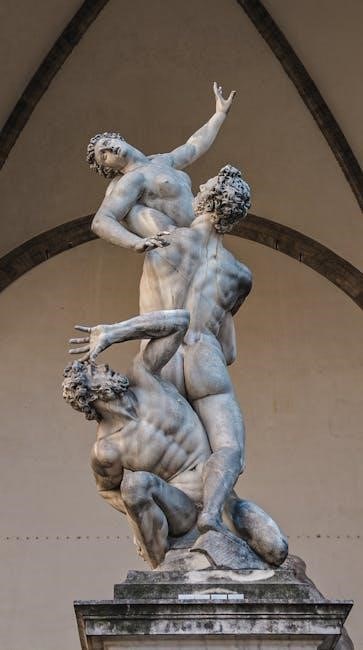
Giuseppe Armani’s work frequently showcases classical and romantic themes. Mythological figures like Leda and the Swan, and Venere Nera (Venus), are prominent, reflecting his artistic training and appreciation for Renaissance sculpture. Female figures, often depicted with flowing drapery and expressive poses, are a recurring motif.
Animal subjects, particularly graceful birds and felines, also appear frequently, as seen in the Kitten with Flowers sculpture. Floral arrangements and depictions of everyday life – such as the Woman with Fruits – add variety. These subjects demonstrate Armani’s skill in capturing both dynamism and delicate beauty, contributing to the figurines’ enduring appeal.
Popular Figurines and Their Approximate Values (2026)
Leda and the Swan (330), a highly sought-after piece, currently ranges from $2,800 to $4,500 depending on condition. Isadora (1973, Limited Edition 1582/3000) commands between $1,500 and $2,200, with lower edition numbers fetching higher prices. The charming Woman with Fruits (1981) typically sells for $800 ⎼ $1,300.
Venere Nera (Ebony), due to its rarity and striking aesthetic, can reach $3,500 to $6,000. These values are estimates; pristine condition, original boxes, and documented provenance significantly impact market price. Limited edition pieces consistently outperform open editions in auction results and private sales.
Leda and the Swan (330) ⸺ Price Range
Figurine 330, “Leda and the Swan,” remains one of Giuseppe Armani’s most iconic and valuable creations. As of 2026, examples in excellent condition typically achieve prices between $2,800 and $4,500. Exceptional pieces, exhibiting flawless detail and original packaging, have been known to exceed $5,000 at auction.
Factors influencing price include the presence of any repairs, fading of paint, or damage to the delicate swan’s wings. Early castings and those with documented provenance command premiums. Collectors actively seek this figurine, driving consistent demand and solidifying its investment potential within the Armani Florence market.
Isadora (1973, Limited Edition 1582/3000) ⎼ Price Range
The “Isadora” figurine, released in 1973 as a limited edition of 3000 (numbered pieces like 1582/3000), currently falls within a price range of $1,200 to $2,200. Lower numbers within the edition, and those with certificates of authenticity, generally fetch higher prices. Condition is paramount; any chips, cracks, or significant paint loss will substantially decrease value.
Demand for “Isadora” remains steady due to its graceful depiction and relatively accessible edition size compared to rarer Armani pieces. However, market fluctuations occur, so monitoring recent auction results is crucial for both buyers and sellers. Original boxes and documentation significantly enhance collectibility.
Woman with Fruits (1981) ⎼ Price Range
The 1981 “Woman with Fruits” figurine typically commands prices between $800 and $1,800, depending heavily on its condition and the presence of any original packaging or documentation. This piece, showcasing Armani’s signature detail, is a popular choice among collectors, contributing to consistent demand.
Variations in the fruit arrangement or subtle differences in the porcelain finish can influence value. Pristine examples, free from repairs or blemishes, will naturally achieve higher prices at auction or through private sales. Recent listings suggest a slight upward trend, reflecting growing appreciation for Armani’s earlier works. Careful examination for authenticity is advised.
Venere Nera (Ebony) ⎼ Price Range
The highly sought-after “Venere Nera” (Ebony) figurine, a limited edition Capodimonte piece, generally falls within the $2,500 to $6,000 price range in 2026. Its value is significantly impacted by edition number and overall condition; lower edition numbers command premiums.
This striking figurine, known for its dramatic coloration and intricate sculpting, is a favorite among serious collectors. Authenticity is paramount, given its value, and verifying the Capodimonte mark and Armani signature is crucial. Excellent condition examples, with no chips or repairs, consistently reach the higher end of this price spectrum, sometimes exceeding $6,000 at auction.
Factors Influencing Price
Several key factors determine the value of Giuseppe Armani Florence figurines. Condition is paramount; even minor damage drastically reduces price. Rarity, dictated by edition size – limited editions are more valuable – significantly impacts worth. The figurine’s subject matter also plays a role, with popular designs like “Leda and the Swan” commanding higher prices.
Market trends and collector demand fluctuate, influencing current valuations. Provenance, or the figurine’s history of ownership, can add value. Finally, the presence of original packaging, certificates of authenticity, and documented history all contribute to a higher selling price in the competitive collector’s market.
Condition and Restoration
The condition of a Giuseppe Armani Florence figurine is a primary driver of its value. Mint condition pieces, free from chips, cracks, or repairs, fetch the highest prices. Even hairline fractures or minor paint loss can significantly diminish worth. Restoration attempts, while sometimes necessary, generally decrease value, especially if not professionally executed.
Collectors prioritize originality. Professional restoration should be disclosed, and ideally documented. Avoid attempting DIY repairs, as these can cause further damage and devaluation. Careful handling and display are crucial to preserving condition. Assessing condition requires close inspection under good lighting, looking for any imperfections.
Rarity and Edition Size
Rarity is a cornerstone of value for Giuseppe Armani Florence figurines. Limited edition pieces, particularly those with small production runs (e.g., under 3000, like Isadora 1582/3000), command premium prices. Figurines discontinued years ago, or those produced for a short period, are also highly sought after.
The smaller the edition size, the greater the potential for appreciation. Knowing the edition number is crucial. Some figurines, like Leda and the Swan (330), have exceptionally low production numbers, making them particularly valuable. Researching production dates and edition sizes is essential for accurate valuation.
Market Trends and Demand
The market for Giuseppe Armani Florence figurines experiences fluctuations influenced by economic conditions and collector preferences. Currently (2026), there’s sustained demand for classic pieces, particularly those in excellent condition. Online auction sites and specialized dealers reflect these trends, with prices varying based on figurine popularity.
Increased interest from international collectors, especially in regions with growing disposable income, is driving up prices for rare and desirable models. Monitoring recent sales data on reputable platforms is vital. Demand for specific motifs – like floral arrangements or depictions of women – also impacts value, shifting with collector tastes.
Where to Buy and Sell
Acquiring or divesting Giuseppe Armani Florence figurines requires careful consideration of the venue. Reputable online auction sites, such as eBay, offer a broad selection but necessitate thorough seller vetting. Antique dealers and established galleries provide authentication and expertise, often at a premium.
Consignment options through specialized figurine dealers can be beneficial for sellers seeking professional handling and marketing; Local estate sales and auctions may yield unexpected finds, but require diligent inspection. Always prioritize secure payment methods and detailed condition reports when purchasing. Researching dealer reputations is crucial for a positive experience.
Reputable Online Auction Sites
Several online platforms facilitate the buying and selling of Giuseppe Armani Florence figurines, but caution is advised. eBay consistently features a wide range of listings, demanding careful scrutiny of seller feedback and detailed photographs. LiveAuctioneers aggregates auctions from various reputable houses, offering potentially higher-value pieces.
Invaluable provides access to global auction results and upcoming sales, aiding price comparison. When using these sites, prioritize sellers with established histories and transparent return policies. Verify authenticity through detailed descriptions and, if possible, request additional images. Beware of suspiciously low prices, which may indicate issues with the figurine’s condition or provenance.
Antique Dealers and Galleries
Sourcing Armani Florence figurines through established antique dealers and galleries offers a layer of assurance regarding authenticity and condition. These professionals typically possess extensive knowledge and can provide detailed provenance information.
Specialized figurine shops often carry Armani pieces, while broader antique stores may occasionally feature them. Local galleries specializing in Italian ceramics are excellent starting points. Expect to pay a premium compared to auction sites, reflecting the dealer’s expertise and overhead costs. However, this cost often translates to a reduced risk of acquiring a misrepresented or damaged item. Building relationships with reputable dealers can also provide access to exclusive pieces.
Consignment Options
For collectors looking to sell, consignment offers a viable alternative to direct sales or auctioning. Reputable antique dealers and galleries frequently accept Armani Florence figurines on consignment, handling the marketing and sale process for a percentage of the final price.
This option is particularly beneficial for those unfamiliar with online selling or lacking the time to manage inquiries and shipping. Carefully vet potential consignees, reviewing their commission structure and marketing strategies. Ensure a clear consignment agreement outlining responsibilities, insurance coverage, and the duration of the agreement. Consignment allows access to a dealer’s established clientele, potentially achieving a higher sale price.
Resources for Further Research
Expanding your knowledge is crucial for informed collecting and accurate valuation. Several online resources cater specifically to Giuseppe Armani Florence figurines. Online price databases, while not always definitive, offer a general price range indication for comparable pieces.
Active collector forums and online communities provide valuable insights, shared experiences, and authentication assistance. Dedicated websites and specialized publications focusing on Capodimonte porcelain and Italian sculpture are also beneficial. Google Search remains a powerful tool for uncovering articles, auction archives, and dealer inventories. Remember to cross-reference information from multiple sources to ensure accuracy and build a comprehensive understanding.
Online Price Databases
Several websites attempt to compile sales data for collectible figurines, including Giuseppe Armani Florence pieces. However, it’s vital to approach these databases with caution. Completed eBay sales are a useful, though imperfect, resource, offering a snapshot of recent transaction prices. WorthPoint and similar subscription services aggregate auction results from various houses, providing a broader, but still not exhaustive, dataset.
Remember that listed prices are often influenced by condition, provenance, and buyer enthusiasm. These databases should be considered starting points for research, not definitive appraisals. Always corroborate information with expert opinions and recent auction catalogs for a more accurate valuation.
Collector Forums and Communities
Engaging with fellow collectors is an invaluable resource when navigating the world of Giuseppe Armani Florence figurines. Online forums and dedicated Facebook groups provide platforms to share knowledge, discuss recent acquisitions, and seek opinions on authenticity and value. These communities often feature experienced collectors willing to assist with identification and appraisal.
Be mindful that opinions expressed in forums are subjective. Cross-reference information with established experts and auction records. These platforms are excellent for gauging current market sentiment and discovering hidden gems, but should not replace professional evaluation when determining a figurine’s worth.
Books and Publications on Armani Figurines
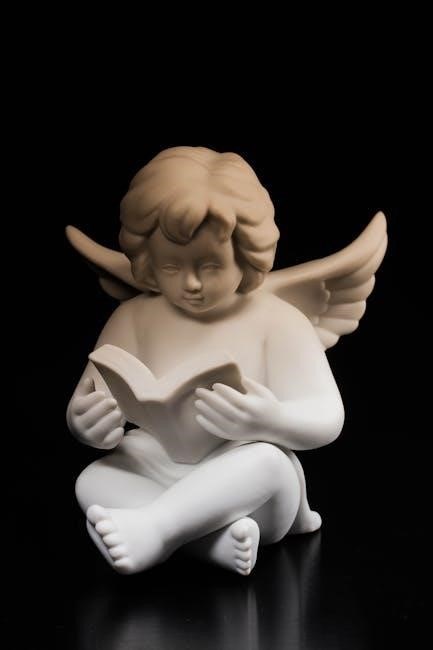
While a definitive, comprehensive price guide specifically for Armani Florence figurines remains elusive, several publications offer valuable background information and catalog examples. Look for books detailing the history of Capodimonte porcelain and the artistic contributions of Giuseppe Armani. These resources often include photographic references that aid in identification and understanding stylistic evolution.
Auction catalogs from reputable houses specializing in decorative arts can also serve as informal price guides, showcasing realized prices for similar pieces. Remember that prices fluctuate, so consider publication dates. Supplementing book research with online databases and expert appraisals provides a more accurate valuation.